
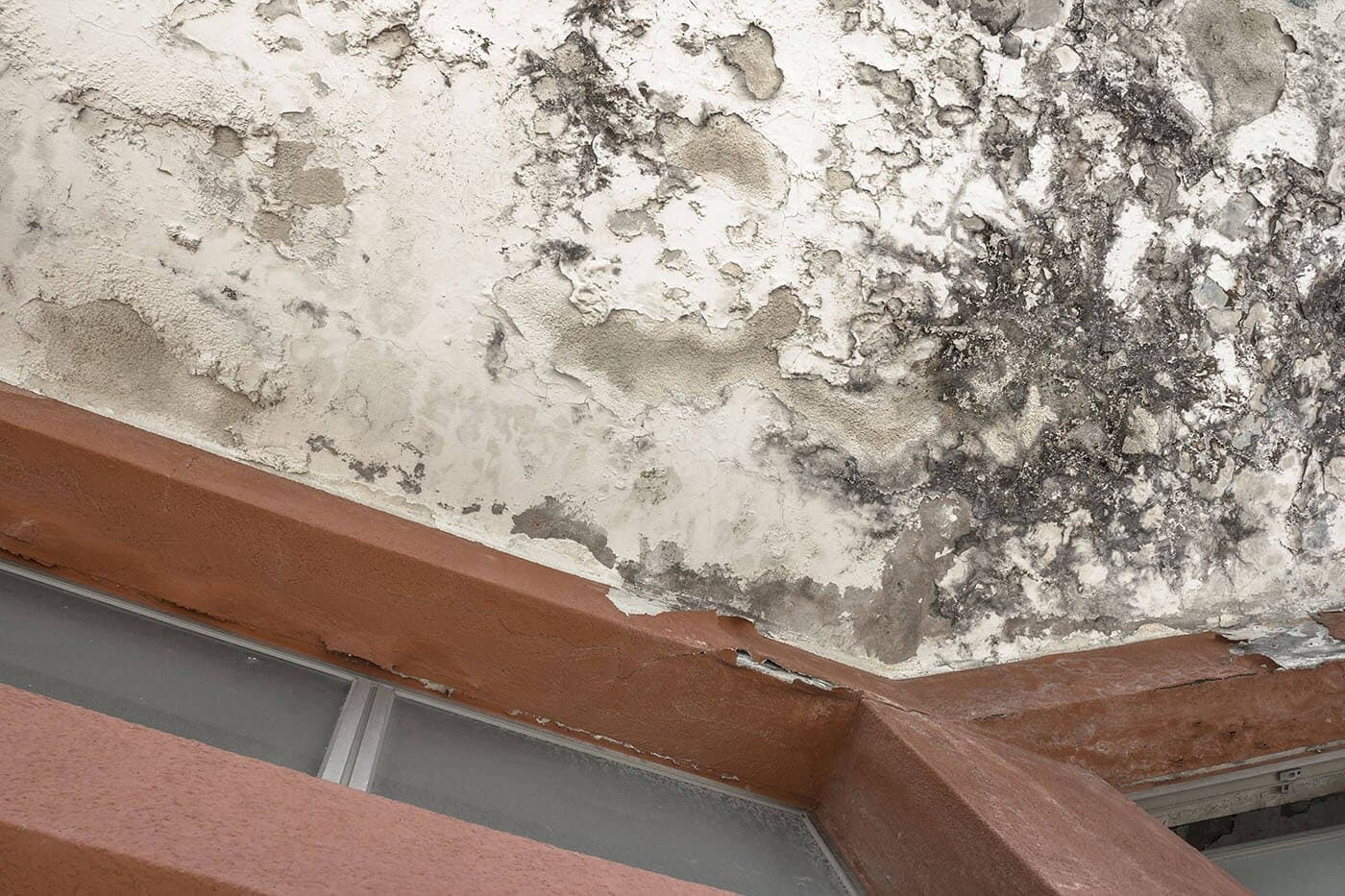

Common causes of damp and mould in commercial buildings
Damp and mould are among the most common and costly issues affecting commercial buildings in the UK. Left unchecked, they can damage the building fabric, disrupt operations, and create health risks for staff and occupants.
Understanding the root causes of damp and mould is essential for preventing repeat problems and avoiding expensive reactive repairs. Below, we break down the most common causes seen in commercial properties and what facilities managers should be looking out for.
Why damp and mould are serious commercial risks
Damp and mould are not just cosmetic issues. In commercial environments they can lead to:
- Damage to walls, ceilings, flooring, and insulation
- Increased maintenance and refurbishment costs
- Health complaints from staff or tenants
- Reduced indoor air quality
- Potential breaches of health and safety responsibilities
Keystone Insight: In many commercial buildings, mould is treated as a cleaning issue when it is actually a ventilation, drainage, or structural problem.
1) Water ingress from roofs and external walls
One of the most common causes of damp in commercial buildings is water entering through the building envelope.
Typical sources include:
- Damaged or aging roof coverings
- Blocked or broken gutters and downpipes
- Cracked brickwork or failed pointing
- Deteriorated sealant around windows and doors
Water ingress often starts slowly and may only appear internally weeks or months after heavy rainfall.
Keystone Insight: Roof and gutter defects rarely present as immediate leaks. Internal staining or mould growth is often the first visible sign of an external failure.
2) Poor ventilation and airflow
Inadequate ventilation is a leading cause of condensation-related damp and mould, particularly in offices, retail units, and mixed-use buildings.
Common problem areas include:
- Toilets and washrooms
- Kitchens and break areas
- Plant rooms and service cupboards
- Areas with limited natural airflow
When warm, moist air cannot escape, it condenses on cooler surfaces such as walls, ceilings, and windows. Over time, this creates ideal conditions for mould growth.
Keystone Insight: Modern buildings that are well insulated but poorly ventilated are often more prone to condensation issues than older, draftier properties.
3) Heating system imbalance or failure
Uneven or poorly controlled heating can significantly increase the risk of damp.
Issues often include:
- Cold spots caused by unbalanced heating systems
- Faulty thermostats or zoning controls
- Areas left unheated for long periods
- Intermittent heating in low-occupancy spaces
Cold surfaces attract condensation, especially when combined with everyday moisture from people, cleaning, or equipment.
Keystone Insight: Many damp complaints described as leaks are actually condensation caused by temperature imbalance rather than water penetration.
4) Blocked drainage and internal plumbing leaks
Internal water sources are another major contributor to damp problems.
Common causes include:
- Leaking pipework within walls or ceilings
- Blocked internal drains or waste pipes
- Failed seals around sinks, toilets, or appliances
- Undetected slow leaks in service risers
Because these leaks are often hidden, damp may spread before the issue is identified.
Keystone Insight: A slow internal leak can cause more long-term damage than a visible burst pipe because it often goes unnoticed for months.
5) Poor building maintenance and delayed repairs
Damp and mould problems are frequently linked to delayed or inconsistent maintenance.
Examples include:
- Minor roof defects left unrepaired
- Repeated temporary fixes instead of permanent solutions
- Blocked gutters not included in maintenance schedules
- Known issues logged but not prioritised
Over time, small defects allow moisture to build up and spread into surrounding materials.
Keystone Insight: Damp is rarely caused by a single failure. It is usually the result of several small issues compounding over time.
6) Changes in building use or occupancy
Commercial buildings often change use without corresponding updates to building systems.
Examples include:
- Warehouses converted into offices
- Increased staff numbers without upgraded ventilation
- Areas left unused for extended periods
- Changes to cleaning routines or water usage
These changes can increase moisture levels or reduce airflow in ways the building was not designed to handle.
Keystone Insight: Legionella risk assessments are often reviewed after occupancy changes, but ventilation and damp risks are frequently overlooked.
7) Ground moisture and rising damp in older buildings
In older commercial properties, rising damp can still be a factor.
This is often caused by:
- Failed or bridged damp proof courses
- Changes to external ground levels
- Poor drainage around the building perimeter
Rising damp typically appears at low level and may be mistaken for condensation or plumbing leaks.
Keystone Insight: True rising damp is less common than often assumed, but when present it requires structural investigation rather than surface treatment.
How to prevent damp and mould in commercial buildings
Preventative facilities management is the most effective way to control damp and mould.
Key steps include:
- Regular roof and gutter inspections
- Planned ventilation checks and filter changes
- Monitoring temperature consistency across the building
- Prompt investigation of leaks and staining
- Clear reporting and tracking of defects
- Reviewing building performance after changes in use
Keystone Insight: The most effective damp prevention strategy is early identification. The longer moisture is allowed to remain, the more expensive the repair becomes.
When damp and mould keep returning
If damp or mould continues to reappear after cleaning or minor repairs, it usually indicates an unresolved root cause.
In these cases, a structured facilities management approach is essential. This includes coordinated inspections, clear reporting, and permanent corrective works rather than repeated reactive fixes.
Need help managing damp and mould issues?
If your commercial property is experiencing recurring damp or mould problems, Keystone Facility Management can help identify the underlying cause and implement a long-term solution.
Our team supports businesses with planned maintenance, inspections, and building care that reduce risk, protect occupants, and prevent repeat issues.