
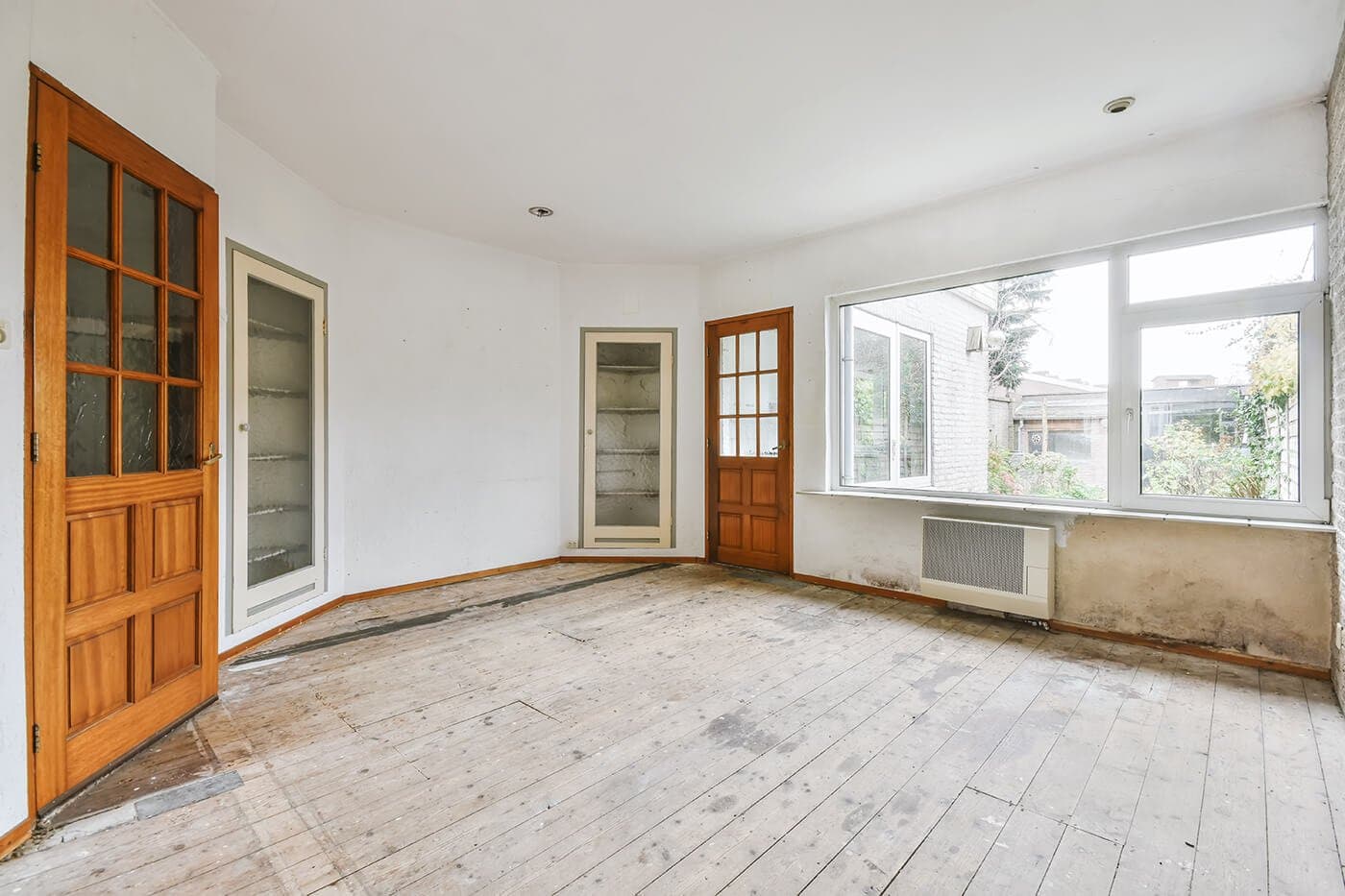

Void period maintenance: what to do between tenants
Void periods are often seen as lost income, but they are also one of the best opportunities to protect the long-term condition of a property.
When a commercial unit or rental property is empty, maintenance work can be completed safely, efficiently, and with minimal disruption. A structured void period maintenance plan helps reduce future breakdowns, improve tenant satisfaction, and avoid emergency repairs once the property is occupied again.
Below is a practical guide to what landlords, property managers, and facilities teams should focus on during void periods.
Why void period maintenance matters
Void periods provide a rare window where access is unrestricted and work can be carried out without affecting tenants or business operations.
Used properly, this time allows you to:
- Identify hidden issues that may have gone unreported
- Complete repairs safely and efficiently
- Reduce the risk of immediate callouts once a tenant moves in
- Protect the value and lifespan of the property
- Present a well-maintained space to incoming tenants
Keystone Insight: Many reactive maintenance issues occur within the first few weeks of a new tenancy. Void period checks significantly reduce this risk.
1) Carry out a full property inspection
Start with a structured inspection of the entire property while it is empty. This should cover both visible defects and areas that are normally difficult to access.
Key areas to inspect include:
- Walls, ceilings, and floors for damage or staining
- Signs of damp, mould, or water ingress
- Doors, windows, and locks
- Fixtures, fittings, and built-in furniture
- External areas, access routes, and drainage
Keystone Insight: Issues that tenants adapt to over time often become obvious once the property is empty and quiet.
2) Address maintenance and repair issues
Void periods are the ideal time to complete repairs that would normally cause disruption.
This includes:
- Plaster repairs and redecoration
- Flooring repairs or replacement
- Minor building fabric repairs
- Door and window adjustments
- Repairs to fixtures and fittings
Keystone Insight: Temporary fixes made during occupation often fail quickly. Void periods allow permanent repairs to be completed properly.
3) Inspect and service building systems
Mechanical and electrical systems should be checked during void periods, particularly if the property has been unoccupied for some time.
Focus on:
- Heating systems and controls
- Ventilation and extraction
- Electrical sockets, lighting, and distribution boards
- Water systems and pipework
- Plant rooms and service cupboards
Keystone Insight: Systems that appear to work during brief tests may fail once a property returns to full use. Void inspections help identify weaknesses early.
4) Manage water hygiene and stagnation risks
Periods of low or no occupancy increase the risk of stagnant water and hygiene issues.
During void periods you should:
- Flush water outlets regularly
- Check for leaks or pressure issues
- Inspect tanks and pipework where accessible
- Review Legionella risk controls if applicable
Keystone Insight: Water hygiene issues often arise after reoccupation, not during the void itself. Preventative action avoids this risk.
5) Test safety and compliance systems
Void periods are an ideal time to review compliance without interruption.
Checks should include:
- Fire alarms and detection systems
- Emergency lighting
- Fire doors and escape routes
- Signage and notices
- Electrical and gas safety documentation where applicable
Keystone Insight: Compliance failures are easier to resolve during voids, before staff or tenants are exposed to risk.
6) Improve presentation and first impressions
First impressions have a direct impact on how tenants perceive the quality of management.
During void periods, consider:
- Refreshing paintwork
- Replacing worn flooring or trims
- Improving lighting levels
- Cleaning hard-to-reach areas
- Ensuring entrances and signage are clean and clear
Keystone Insight: A well-presented property sets expectations and often leads to fewer maintenance complaints later.
7) Review and update maintenance records
Void periods are also a good time to review documentation and maintenance history.
This includes:
- Updating asset registers
- Closing out outstanding defects
- Reviewing recurring maintenance issues
- Updating planned maintenance schedules
- Preparing clear records for incoming tenants
Keystone Insight: Accurate records protect landlords and demonstrate that maintenance is proactive rather than reactive.
Plan ahead before reoccupation
Before a new tenant moves in, carry out a final walk-through to confirm all agreed works are complete and the property is ready for use.
This final check reduces immediate callouts and ensures the handover is smooth.
Need help managing void period maintenance?
If you manage multiple properties or want to reduce reactive maintenance at the start of new tenancies, Keystone Facility Management can help.
We support landlords and property managers with structured void inspections, planned maintenance, and compliance checks that protect properties and reduce long-term costs.